top of page
Image by Kendal

SERVICES

Managing separate suppliers, warehouses, inspection providers, logistics companies and export contacts can create unnecessary administrative complexity.

Single-point Supply Management

International buyers may face challenges communicating directly with multiple producers across different markets and operating environments.

Buyer-Producer Coordination

Long-distance procurement can involve communication, documentation, shipping and supplier-management complexity.

Asian Market Supply

Distance between European buyers and South American producers can create additional procurement and communication complexity.

European Market Supply

International buyers need clear information about order status, inventory position and shipment progress.

Real-time Order & Shipment Tracking

Seasonal shortages, demand changes and logistical disruptions can affect agricultural supply chains.

Supply Continuity

Effective inventory planning requires balancing demand, supply, seasonality and logistics.

Demand & Inventory Planning

Seasonality can influence product availability, procurement timing and inventory requirements.

Seasonal Supply Management

Harvest seasons are temporary while manufacturing and commercial demand can continue throughout the year.

365-day Supply Program

International commodity transactions involve multiple documents and parties. Centralized management helps maintain consistency throughout the shipment.

Documentation Management

Export requirements can vary according to commodity, origin and destination. Proper coordination is essential for organized international shipments.

Export Compliance

Pre-shipment checks provide an opportunity to verify product condition and documentation before goods enter international transit.

Pre-Shipment Inspection

Supplier consistency is important when agricultural commodities are purchased repeatedly or at commercial volumes.

Supplier Quality Assurance

Product quality can be affected by sourcing, handling, storage and transportation. Coordinated quality management helps maintain specification control.

Quality Control

International delivery involves multiple stages after goods leave the warehouse. Coordinated shipment management provides greater visibility across the journey.

International Delivery

Vessel schedules and port requirements create fixed operational timelines. Coordinating cargo readiness with these requirements helps support organized export execution.

Vessel Loading Coordination

International shipments involve multiple parties and operational stages. Central coordination helps maintain alignment.

Shipment Coordination

International shipments involve multiple documents and parties. Organized documentation helps keep the export process coordinated.

Export Documentation

Port operations involve schedules, documentation, cargo handover and multiple stakeholders. Centralized coordination helps organize the export process.

Port & Shipping Coordination

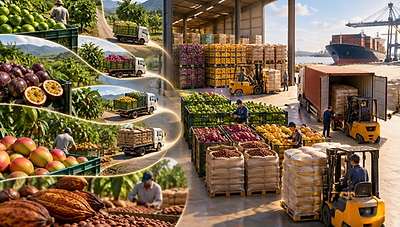
Agricultural products may involve seasonal production, specialized handling and fixed shipping schedules. Coordinated logistics connects these stages.

Agricultural Logistic

Without coordinated inventory management, buyers can face uncertainty around available stock, order allocation and shipment planning.

Inventory Management

Agricultural production is seasonal while commercial demand can continue throughout the year. Buffer inventory can help bridge this timing difference.

Strategic Buffer Stock

Temperature-sensitive commodities require suitable storage and handling throughout the supply chain to help maintain product integrity.

Frozen & Temperature Controlled Storage

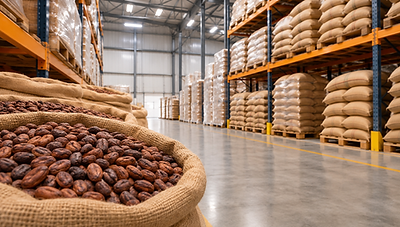
Appropriate dry storage helps protect commodity quality while providing a strategic location for inventory before processing, distribution or export.

Dry Commodity Storage

Agricultural commodities naturally follow production cycles. Procurement planning helps buyers prepare for periods of changing availability.

Seasonal Procurement

Agricultural production may be distributed across multiple producers. Coordinating supply can help international buyers manage commercial volumes through a centralized procurement process.

Volume Aggregation

Agricultural procurement involves more than purchasing. Product specifications, supplier communication, quality, documentation and logistics must work together.

Commodity Procurement

Long-term supplier relationships can provide better visibility into availability, production cycles, quality requirements and commercial volumes.

Supplier & Producer Partnership

International buyers may find it difficult to identify suitable producers, verify availability and coordinate requirements from overseas. Local sourcing support simplifies communication and procurement.

Direct Producer Sourcing

bottom of page